
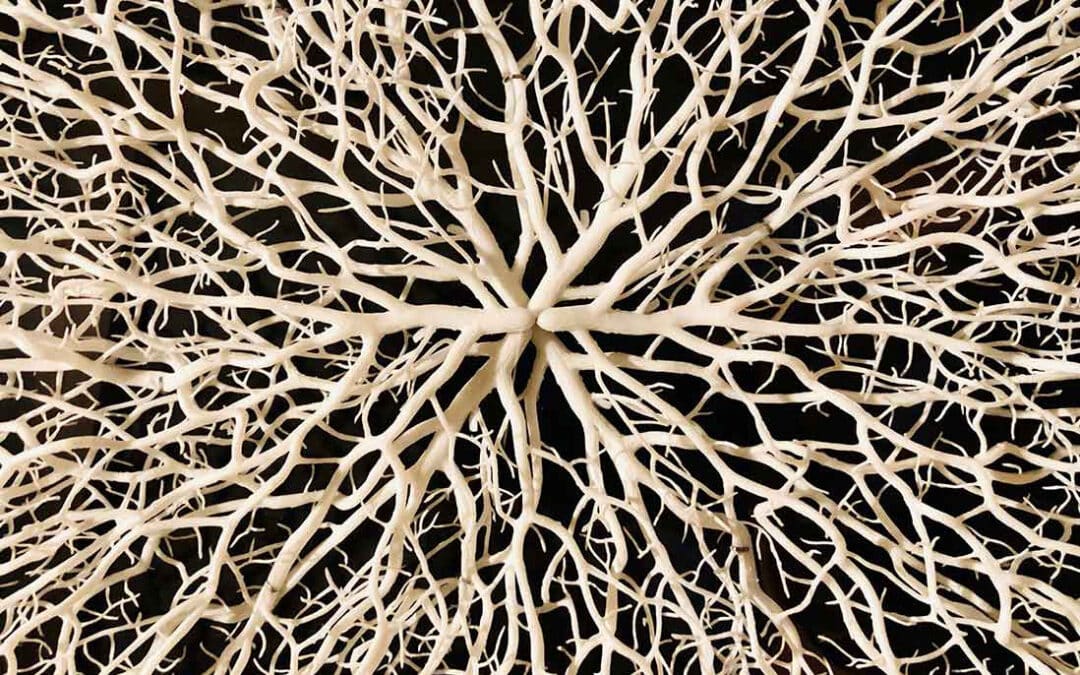
The Lymphatic System is a drainage network that plays an essential role in regulating fluid levels, boosting immune defense, and clearing cellular waste or excess fluid from tissues. The five main components of the lymphatic system are:
• lymph fluid
• lymph nodes
• lymphocytes
• lymphoid organs/tissues
• lymph vessels
In the pelvic health field, the majority of focus tends to be on the muscles. Often overlooked is the lymphatic system.Your pelvis houses a dense network of lymph nodes and pathways. Less-than optimal drainage can cause pelvic pain, and impact post-surgical recovery and fluid management.
How Does the Lymphatic System Function?
Think of this system as your body’s built-in filtration and immune defense network. Throughout your body, specialized vessels collect excess fluid, cellular debris, and proteins from tissues, channeling them through lymph nodes for filtration before re-entering circulation.
The lymphatic system helps:
• clear excess fluid from tissues
• filter substances via lymph nodes
• maintain healthy fluid balance
• support your immune system
• transport cellular waste products.
Unlike your heart, the lymphatic system doesn’t have a pump. It depends entirely on external forces to keep fluid moving smoothly. Lymphatic flow relies on muscle contractions, intentional movement, deep breathing, and internal pressure shifts.
What Does the Lymphatic System Have to Do With Pelvic Health?
Depending on an individual’s anatomy, the lymphatic system drains key structures including the:
• bladder
• external genitalia
• lower abdominal and pelvic tissues
• prostate
• rectum
• uterus
When lymph flow is impaired, fluid accumulates leading to swelling, heaviness, pressure, and pelvic pain. This frequently happens after surgical procedures, localized trauma, or radiation therapies that impact the lymphatic system.
Signs That Fluid Retention May Be Contributing to Your Pelvic Floor Symptoms
You might notice symptoms such as:
• feeling of heaviness
• lingering swelling after trauma or injury
• lower abdominal puffiness or bloating
• post-surgical fluid buildup or swelling
• slower healing post-surgery
• tissue fullness or tightness
Hormonal shifts in fluid balance can also manifest as bloating or pre-menstrual breast tenderness. Fluctuations in the hormones estrogen and progesterone may contribute to increased fluid retention which can cause these symptoms.
How Does the Pelvic Floor Therapy Treatment “Lymphatic Drainage” Help?
Manual Lymphatic Drainage (MLD) is a technique that uses light, slow, rhythmic stroking ( massage) to encourage fluid movement throughout the body. Light pressure is used because lymphatic vessels rest just beneath the skin’s surface, so heavy pressure may collapse the vessels and impede drainage.
How can Proper Breathing Improve Lymphatic System Function?
Your breathing patterns directly drive lymphatic fluid circulation. Deep diaphragmatic breaths create pressure shifts across the abdomen and chest, functioning as an internal pump to move lymph upward toward the heart.
As an added benefit, deep belly breathing relaxes the pelvic floor. On every inhale, the diaphragm descends as pelvic muscles gently lengthen and release, returning smoothly on the exhale.
This type of breathing can improve both pelvic floor tension as well as fluid retention and lymphatic drainage.
Lymphatic Drainage Can Impact Post-Surgical Recovery
Supporting drainage is vital during post-surgical healing. Surgical interventions naturally disrupt local fluid pathways, leading to localized swelling and retention as tissue repairs itself. Targeted lymphatic drainage can help manage fluid accumulation and accelerate overall healing. This can be helpful especially following abdominal, pelvic, or breast procedures.
Furthermore, during postpartum recovery, your body undergoes massive fluid shifts while healing. Following birth, tailored pelvic floor therapy aids in recovery.
Manual MLD is not suited for every post-op scenario. Consult your provider to ensure it aligns with your care plan.
Can Lymphatic Drainage Problems Cause Pelvic Pain?
Pelvic pain is multifaceted and occurs for a variety of reasons. Muscles, nerves, fascia, organs, and vascular networks all contribute. When lymphatic drainage slows, this adds uncomfortable pressure on the pelvic area.
Lymphatic congestion is a slow-moving or blocked flow of lymph fluid through the body, which leads to fluid buildup and swelling. Lymph congestion is different from pelvic congestion syndrome.Pelvic congestion syndrome impacts blood vessels rather than lymph channels and can drive deep pelvic aching.
Proper diagnostic workups—including MRI venography reviewed by a specialist in pelvic vascular health—are essential for accurate diagnosis. Pelvic discomfort may have multiple causes. A comprehensive clinical evaluation ensures every contributing factor is addressed.
The Bottom Line
Your lymphatic system is vital for fluid balance and immunity, playing a central role in pelvic floor health. Daily movement and deep breathing serve as your body’s natural pump, while gentle manual therapy can offer targeted support when needed.
Remember, not all pelvic floor pain or bloating stems from sluggish lymph flow. Persistent discomfort always warrants professional evaluation. If you are experiencing persistent swelling, heaviness, or post-surgical retention, a pelvic floor physical therapist may be able to help you manage your symptoms.
Welcome New Patients
Solstice Physiotherapy accepts new patients at our five New York Locations, including New York City: Midtown & Downtown, Long Island, Huntington, and Westchester.
Contact us to make an appointment for your initial evaluation.
We do accept insurance and are out-of-network providers.