

Sexual Health Physical Therapy
Sexual health is a very important part of the function of the pelvic floor. It is important to note that when the bladder and bowel are dysfunctional, this can alter the sexual response. As pelvic health therapists, it is our job to educate our patients and bring awareness to the physical part of sexual health regarding the pelvic floor, as well as helping them to feel confident in their bodies.
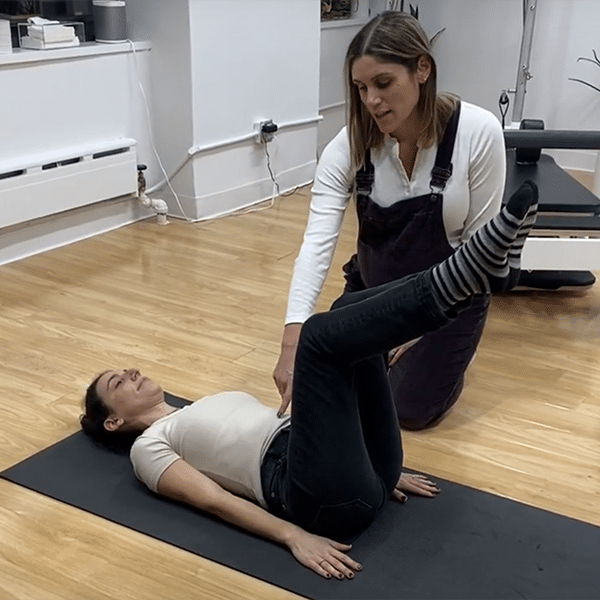
Sexual Health Rehabilitation
How Pelvic Floor Therapy Can Help
Pelvic floor therapy is a valuable resource when sexual activity is painful, uncomfortable, or simply doesn’t feel pleasurable. Treatment focuses on releasing pelvic floor muscle tension, increasing bodily awareness, addressing scar tissue, breathing/ relaxation, and gaining confidence in intimacy. In pelvic floor therapy, our goal is not to tell you how to have sex but rather to help you and your body feel more comfortable and capable of participating in the activities that matter to you.

Dyspareunia and Vaginismus Physical Therapy
In pelvic floor therapy, we address conditions like dyspareunia and vaginismus. These are terms used to describe pain that occurs during penetrative sexual intercourse. It can happen for a variety of reasons, including trauma, significant hormonal shifts (menopause, postpartum, breastfeeding), birth control use, cancer history, fecal incontinence, cultural/religious beliefs, and anxiety/depression. Pelvic floor therapy focuses on understanding how your body is responding to penetration. Treatment includes manual therapy, breathing and relaxation exercises, education, and dilator training to aid in gradual exposure to penetration.
Sexual Health Tools & Products

Sexual Health Tools
Sexual tools and toys can be a helpful way to better understand your body, explore different sensations, arousal, and intimacy. Tools such as dilators can be incorporated into pelvic floor therapy. Dilators are used as a gradual treatment approach for exposure to penetration at a comfortable level. The key is to use these toys intentionally and comfortably, not to push through pain. Your pelvic floor therapist can help you understand how certain tools may help you understand what tools can fit into your individual treatment plan and provide guidance on positioning, relaxation and comfort.

Proper Lubrication
Lubrication can make a significant difference in comfort during sexual activity. Even when you feel aroused, the body might not be producing enough natural lubrication due to factors such as medication, hormones, stress, breastfeeding, or menopause. Using an external water-based lubricant can reduce friction and make sexual activity more comfortable.
Foreplay
Arousal and relaxation are closely connected to pelvic floor function. Giving your body enough time to become aroused prior to penetration will allow the pelvic floor muscles to soften and vaginal tissue to become more receptive to penetration. There is no set script, blueprint, or time required for foreplay. Kissing, touching, communication, etc., whatever feels pleasurable and comfortable for you can all be a part of the process. Also, if penetration is painful, taking penetration off the table during that episode of sexual activity can reduce the cycle of anticipation, decrease muscle guarding, and allow for intimacy to be more relaxed and enjoyable.

How Pelvic Floor Physical Therapy Can Improve Sexual Health
Pelvic floor therapy is a valuable resource when sexual activity is painful, uncomfortable, or simply doesn’t feel pleasurable. Treatment focuses on releasing pelvic floor muscle tension, increasing bodily awareness, addressing scar tissue, breathing/ relaxation, and gaining confidence in intimacy. In pelvic floor therapy, our goal is not to tell you how to have sex but rather help you and your body feel more comfortable and capable of participating in the activities that matter to you.
Sexual health is health. Pain with sex, difficulty with penetration, or changes in sexual function should be addressed with the same care as any other physical concern. Pelvic floor therapy offers a private supportive space to better understand and work toward improved comfort and confidence during intimacy.
Welcome New Patients
Solstice Physiotherapy accepts new patients at our five New York Locations, including New York City: Midtown & Downtown, Long Island, Huntington, and Westchester.
Contact us to make an appointment for your initial evaluation.
We do accept insurance and are out-of-network providers.
Frequently Asked Questions
Can pelvic floor physical therapy help pain/anxiety during sex?
Yes. Pelvic floor physical therapy can address many aspects of sexual dysfunction, including pain with intercourse, orgasm, erectile dysfunction, and performance anxiety. The therapist will identify pelvic floor dysfunction and determine how it relates to your sexual health issues. This involves an internal pelvic floor assessment to see if muscles are tense or tender, and how the muscles are coordinating together with particular movements. They may look at how the diaphragm and abdomen are working with the pelvic floor, and assess how your nervous system is involved in pain.
What will an internal exam for my sexual concern look like?
Your pelvic floor physical therapist will feel for specific muscles inside the pelvic floor through the anal or vaginal canal. You are always in control and can absolutely say no to internal therapy until you feel ready. During the assessment, you may ask the therapist to stop at any time. They will go at your pace and talk you through it. Sexual pain may be structural, muscular, or hormonal. The cause may require a multidisciplinary approach, including pelvic floor physical therapy.
Do you train on the use of tools such as dilators, biofeedback, pelvic wands?
We use different treatment methods and tools to help achieve the best possible outcome. The approach is patient- and case-dependent. For the treatment of pain with sex, dilators and wands are commonly used by the patients both at home and in the clinic. Biofeedback is helpful for patients with coordination issues who are unsure how to activate or relax their pelvic floor. There are other tools to consider. It is up to the discretion of the patient and therapist when and how they will aid in recovery.
How long does it typically take to see a reduction in sexual discomfort?
This is dependent on several factors – how long there has been pain, nervous system sensitivity to pain, how well you respond to pain management techniques, commitment to therapy and the home program, to name a few. Generally, it takes several weeks to see improvements.
Sexual Health Blog Articles

The Lymphatic System and Pelvic Health – What You Should Know
The Lymphatic System is a drainage network that plays an essential role in regulating fluid levels, boosting immune defense, and clearing cellular waste or excess fluid from tissues. The five main components of the lymphatic system are: • lymph fluid• lymph nodes•...

Can I Benefit from Pelvic Floor Physical Therapy
Pelvic floor physical therapy (PT) is a specialized therapy that focuses on the muscles, ligaments, and connective tissue at the base of your pelvis. These muscles support the bladder, bowel, and reproductive organs, and they play a role in everything from core...

Understanding Anal Receptive Sex, Safe Binding and Tucking
Happy Pride Month! Sexual wellness and gender expression are an important part of good health. Pelvic floor therapy can play a meaningful role in helping individuals engage in this activity safely and comfortably. Whether you are exploring anal receptive sex,...

Medications May Affect Pelvic Floor Function – Let’s Talk About Adderall
Medications can be an essential part of treatment for various diseases and conditions. It’s important to recognize how certain drugs may impact other areas of your health — including the pelvic floor. They can affect your pelvic floor health and rehabilitation...

Sexual Health after Cancer: What Women Need to Know
Cancer treatment can be lifesaving. But for many survivors, especially those who undergo pelvic radiation or reproductive surgeries, it brings side effects that impact sexual and pelvic health. If you’re navigating this phase of healing, you are not alone. There are...

Improve Sexual Function and the Ability to Achieve Orgasm with Pelvic Floor Therapy
What is an orgasm? Why do some people have difficulty achieving orgasm? How can pelvic floor therapy help? An orgasm is a combination of physiological and psychological responses to sexual stimulation. The responses include: Sexual stimulation: An orgasm is typically...
Patient Testimonials
Solstice Physiotherapy is proud to help our patients recover from injuries and live pain-free lives. But don’t take our word for it, here are some reviews from patients who have benefited from our services.

“I have been going to Solstice PT for a few months now, and I cannot recommend them enough! Pelvic floor PT can be daunting at first, but they make the whole process easy. Scheduling appointments is a breeze. The best PT group out there, hands down!!”
— Kasey
“Erica’s highly empathetic and warm! She gave me a proper diagnosis and made me feel optimistic about my situation. She genuinely cares about the wellbeing of each and every patient. I have been to other PT centers that don’t even compare to the way that Solstice operates.”
— Sara
“From the first phone call to every therapy experience I have been treated with great respect, my questions answered quickly and accurately and with discretion. My complicated medical situation is improving after only 4 sessions. Highly recommend the clinic in NYC.”
— ELEANOR
Five Convenient New York Locations


NEW: HUNTINGTON
11 Stewart Ave.
Suite #1
Huntington NY 11743

NYC - MIDTOWN
315 Madison Ave., Suite 2100
New York, NY 10017

NYC - DOWNTOWN
139 Fulton Street, Suite 1012
New York, NY 10282

LONG ISLAND
8 Bond Street, #301
Great Neck, NY, 11021

WESTCHESTER
862 Scarsdale Avenue
Scarsdale, NY 10583